Walk-in Shower vs Bathtub: Which One Suits Your Home Best?

Choosing between a walk-in shower and a bathtub is a common dilemma for homeowners planning a bathroom update or new build. Both options offer unique benefits and challenges, and the right choice depends on your lifestyle, space, and preferences. This post explores the key differences to help you decide which fits your home best.
Space and Layout Considerations
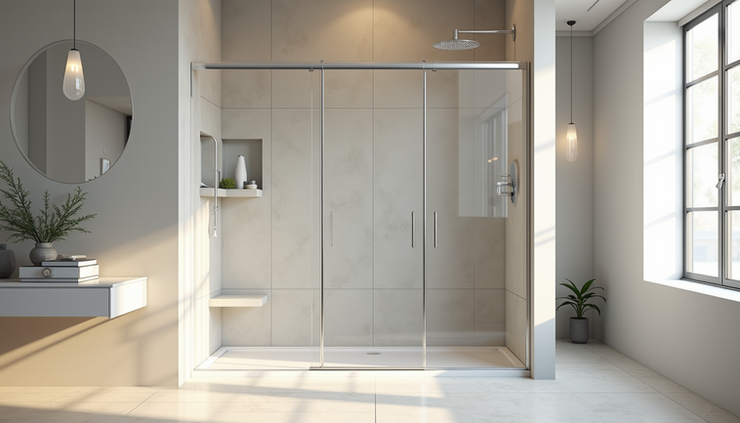
One of the first factors to consider is the available space in your bathroom. Walk-in showers generally require less room than bathtubs, making them ideal for smaller bathrooms or tight layouts. They can be designed to fit into corners or along walls without the need for a large footprint.
Bathtubs, especially freestanding or soaking tubs, take up more space and often become the bathroom’s focal point. If your bathroom is spacious, a bathtub can add a luxurious feel and provide a relaxing spot for soaking.
Example: A 5x8 foot bathroom may comfortably fit a walk-in shower but struggle to accommodate a full-sized bathtub without crowding.
Accessibility and Safety
Walk-in showers offer easier access, especially for people with mobility challenges. Without a high tub wall to step over, they reduce the risk of slips and falls. Many walk-in showers can be customized with grab bars, benches, and non-slip flooring to enhance safety.
Bathtubs can be harder to enter and exit, particularly for older adults or those with physical limitations. However, walk-in tubs are an option that combines the soaking experience with easier access, though they tend to be more expensive.
Tip: If you have young children or elderly family members, a walk-in shower may provide safer daily use.
Cleaning and Maintenance
Walk-in showers typically have fewer surfaces to clean compared to bathtubs. The absence of a tub basin means less scrubbing of hard-to-reach corners. Glass doors or open designs also make it easier to spot and wipe down soap scum or water spots.
Bathtubs require regular cleaning of the tub surface, faucet, and surrounding tiles. Bathtub edges can collect grime and mildew if not cleaned frequently.
Practical insight: A walk-in shower with smooth tiles and a glass enclosure can reduce cleaning time by up to 30% compared to a bathtub setup.
Comfort and Relaxation
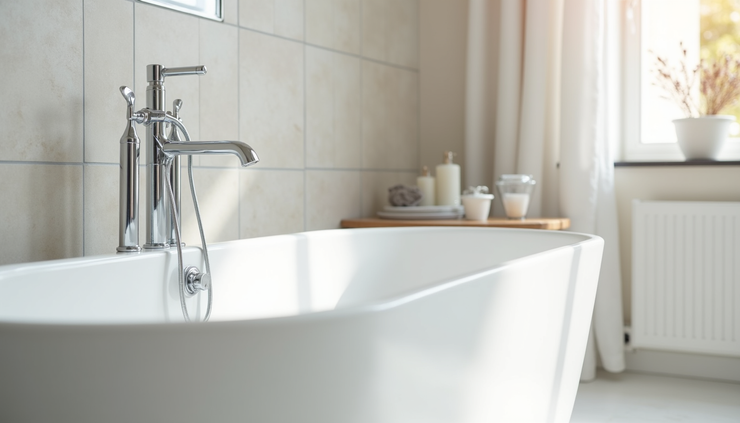
Bathtubs excel in providing a space for relaxation. Soaking in warm water can relieve muscle tension, reduce stress, and offer a spa-like experience at home. For many, a bathtub is a must-have for unwinding after a long day.
Walk-in showers can also offer comfort, especially when equipped with features like rainfall showerheads, body jets, or built-in benches. However, they do not provide the same soaking experience as a bathtub.
Consideration: If you enjoy long baths or have children who love bath time, a bathtub might be the better choice.
Resale Value and Market Appeal
When it comes to resale, both walk-in showers and bathtubs have their place. Homes with at least one bathtub tend to attract families and buyers looking for traditional bathroom features. A bathtub can increase appeal for buyers with young children.
Walk-in showers appeal to buyers who prioritize modern design, accessibility, and efficiency. They are especially popular in urban areas and among downsizers or older adults.
Advice: If you plan to sell your home in the near future, consider including both options if space allows, or choose based on your target market.
Cost Factors
Installation and material costs vary widely depending on design, materials, and labor. Walk-in showers can be less expensive if using standard tiles and fixtures, but custom glass enclosures and luxury finishes increase the price.
Bathtubs vary from affordable acrylic models to high-end soaking tubs made of stone or copper. Plumbing and waterproofing requirements also affect the overall cost.
Environmental Impact and Water Usage
Walk-in showers generally use less water per use compared to filling a bathtub. A typical shower uses about 2.1 gallons of water per minute, while a bathtub can hold 30 to 50 gallons or more.
Choosing a low-flow showerhead can further reduce water consumption, making walk-in showers a more eco-friendly option.
Sustainability note: If reducing water use is a priority, a walk-in shower with efficient fixtures is a smart choice.
Choosing between a walk-in shower and a bathtub depends on your bathroom size, lifestyle, safety needs, and personal preferences. Walk-in showers offer space-saving design, easy access, and lower water use, making them ideal for modern, active households or smaller bathrooms. Bathtubs provide a relaxing retreat and appeal to families or those who value soaking.


Comments