Why Tiling Over Drywall in a Bathroom Shower is a Bad Idea

Tiling a bathroom shower is a popular way to create a clean, attractive, and water-resistant surface. However, many homeowners make a critical mistake by tiling directly over drywall. While drywall is common in many parts of a home, it is not designed to withstand the constant moisture and humidity found in showers. This post explains why tiling over drywall in a bathroom shower leads to problems and what alternatives you should consider for a durable, long-lasting shower.
Drywall is Not Water-Resistant
Drywall, also known as gypsum board, is made from a core of gypsum plaster pressed between two thick sheets of paper. It is designed for interior walls and ceilings in dry areas. When exposed to water or high humidity, drywall absorbs moisture quickly. This causes it to swell, lose strength, and eventually crumble.
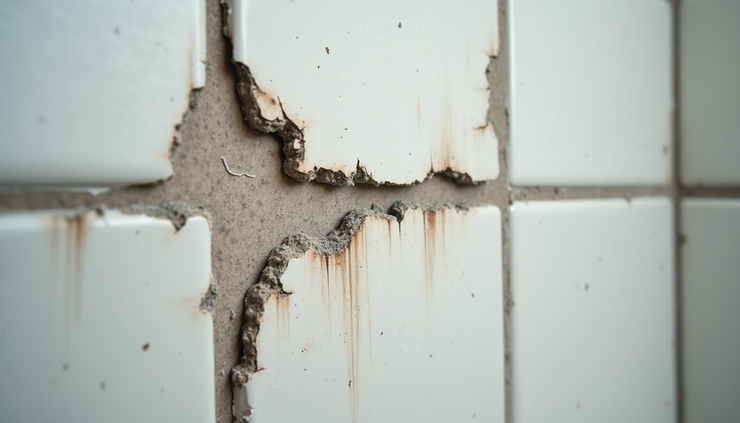
In a shower, walls are exposed to direct water spray and steam every day. Tiling over drywall traps moisture between the tile and the drywall. Over time, this moisture causes the drywall to deteriorate behind the tiles. The result is soft, weakened walls that can lead to tile loosening, cracking grout, and even mold growth.
Mold and Mildew Risks Increase
Moisture trapped behind tiles creates the perfect environment for mold and mildew. Mold spores thrive in damp, dark places and can grow rapidly on wet drywall. Mold not only damages the structure but also poses health risks such as allergies and respiratory problems.
Because drywall is porous, it holds moisture longer than cement-based backer boards or waterproof membranes. This prolonged dampness increases the chance of mold spreading behind the tile surface, which is difficult to detect until damage becomes severe.
Tiles May Fail Prematurely
Tiles rely on a stable, solid substrate to stay firmly attached. When drywall behind tiles becomes soft or crumbly, the bond between the tile and wall weakens. This leads to:
Loose or hollow-sounding tiles
Cracked or missing grout
Tiles falling off the wall
Replacing tiles and repairing damaged drywall is costly and time-consuming. Avoiding drywall in wet areas helps prevent these common tile failures.
Better Alternatives for Shower Walls
Instead of drywall, use materials designed to resist moisture and provide a solid base for tile installation:
Cement Backer Board
Made from cement and reinforcing fibers, backer boards are water-resistant and strong. They do not swell or degrade when wet, making them ideal for shower walls.
Fiber Cement Board
Similar to cement backer boards but lighter and easier to cut. They offer excellent moisture resistance.
Waterproof Membranes
Applying a waterproof membrane over backer board adds an extra layer of protection against water penetration.
Greenboard or Moisture-Resistant Drywall
While better than regular drywall, these are still not recommended for direct tile installation in showers. They resist moisture but are not waterproof.
Proper Installation Matters
Even with the right materials, proper installation is essential to prevent water damage:
Seal all joints and corners with waterproof tape and thinset mortar.
Use a waterproof membrane behind tiles.
Ensure proper slope and drainage in the shower pan to avoid standing water.
Use grout and caulk designed for wet areas and maintain them regularly.
Real-Life Example
A homeowner tiled directly over drywall in their shower to save time and money. Within a year, tiles started to loosen, and black mold appeared in grout lines. Upon inspection, the drywall behind the tiles was soft and crumbling. The repair involved removing all tiles, replacing drywall with cement backer board, installing a waterproof membrane, and retiling. The total cost was three times the original budget and required weeks of work.
This example shows how skipping proper materials can lead to expensive repairs and health hazards.


Comments